
Use DPP agent to prepare for upcoming DPP legislation?
Businesses need to act now to meet upcoming EU Digital Product Passport (DPP) regulations. These new rules will require detailed product data for transparency and lifecycle tracking, starting with industries like textiles, electronics, and construction materials. Early preparation is key to staying compliant and improving product documentation processes.
Here’s what you need to know:
- What are DPPs? Digital Product Passports are digital profiles containing key product information like material composition, manufacturing details, and recycling instructions.
- Why does it matter? The legislation aims to improve transparency, extend product lifespans, and help consumers make informed choices.
- What’s required? Businesses must maintain structured digital records, assign unique product IDs, and ensure secure data access for consumers, regulators, and partners.
- Tools to help: Platforms like dppagent.com assess readiness, while solutions like Blippa’s no-code platform simplify data management and compliance.
Don’t wait – start by auditing your data, digitising records, and setting up systems for tracking and sharing product information. These steps will help you stay ahead of the Q4 2025 rollout and ensure smooth compliance with evolving EU standards.
Digital Product Passport Regulation: What It Is and How to Prepare Your Business
Digital Product Passport (DPP) Legislation in Sweden
The upcoming European Union Digital Product Passport (DPP) legislation is set to reshape how Swedish businesses handle product data. It introduces new requirements for digital transparency and updated data management systems. Here’s a breakdown of its goals, timeline, and the products it covers.
Goals of the DPP Legislation
The legislation aims to bring about several key changes:
- Promoting sustainability: Companies will need to provide clear details about the environmental impact of their products throughout their lifecycle.
- Extending product lifespans: By offering better information on repair and recycling options, the legislation encourages measures that make products last longer.
- Empowering consumers: Buyers will gain access to detailed product data, helping them make more informed and responsible purchasing decisions.
Timeline for DPP Implementation
The rollout of the legislation will happen in stages across the next few years. Different industries will face compliance requirements at different times. Businesses should stay informed through official updates and ensure their digital systems are ready for these changes.
Products Covered and Compliance Requirements
A wide range of products will fall under the DPP legislation, including textiles, electronics, automotive parts, and construction materials. Here’s what compliance will involve:
- Digital records: Companies must maintain structured digital data on material composition, manufacturing processes, and end-of-life handling for their products.
- Unique identifiers: Many products will be assigned unique IDs that link to their complete digital records.
- Access to information: Businesses must ensure that authorised parties – such as consumers and regulators – can securely access this data.
This legislation marks a significant shift in how product information is managed, aiming to create a more transparent and sustainable marketplace.
What You Need for DPP Compliance
To meet DPP compliance requirements, Swedish businesses must focus on gathering the right data, setting up efficient systems, and managing access controls. This involves knowing what information to collect, how to organise it, and determining who can access it. Below, we break down the key steps to ensure compliance.
Required Information for DPPs
When preparing for DPP compliance, you’ll need to collect specific data that meets both regulatory and consumer expectations. This includes:
- Product Identification: Details like the manufacturer’s name, production date, batch numbers, and unique product identifiers.
- Material Composition: A breakdown of what the product is made from, including all materials and substances used.
- Environmental Impact: Data on carbon emissions, water usage, energy consumption, and waste generated during manufacturing.
- Supply Chain Details: Information about the origins of materials and the methods used in their processing.
- Certifications and Compliance: Records such as safety certifications, quality standards, and third-party audit documentation.
- Repair and Maintenance Information: Instructions for repairs, availability of spare parts, and expected product lifespan for items designed for repair.
- End-of-Life Details: Recycling instructions, approved disposal methods, and information on components that can be reused or refurbished.
- Warranty and Software Information: For electronic products, include warranty terms and any relevant software or firmware details.
Organising and maintaining this data ensures transparency and supports compliance with EU regulations.
How to Manage Data and Track Products
Once the necessary data is collected, managing it effectively becomes critical. A well-structured system ensures traceability throughout a product’s lifecycle. Here’s how to approach it:
- Use Standardised Formats: Ensure your system supports structured electronic formats that comply with EU standards, using standardised schemas and data models.
- Enable Supply Chain Traceability: Set up systems to track a product’s journey, from raw materials to manufacturing, distribution, and eventual disposal. Real-time data updates are key for maintaining accuracy.
- Decentralised Data Storage: Depending on your operations, a decentralised approach allows stakeholders to manage their own data while contributing to a unified product passport.
- Automated Data Validation: Implement tools to check for errors, verify formats, and conduct regular audits to maintain data integrity. Version control systems can track updates over time.
- System Integration: Ensure compatibility with existing enterprise systems like ERP, PLM, and inventory management platforms. Batch processing capabilities are also useful for handling large product catalogues efficiently.
Who Can Access DPP Data and When
Managing access to DPP data is another essential step. Access permissions should vary based on the role of the requestor and the purpose of the request. Here’s how access typically works:
- Consumers: They can view basic product details, environmental impact data, and care instructions through tools like QR codes, NFC tags, or online platforms.
- Regulators: Authorities have broader access, allowing them to review compliance data, supply chain details, and audit trails during inspections or checks.
- Supply Chain Partners: Distributors, retailers, and logistics providers gain access to operational data like handling instructions, storage requirements, and inventory details.
- Repair and Maintenance Services: These stakeholders need technical specifications, repair instructions, and spare parts information for servicing or authorised repairs.
- Recycling and Waste Management: At the end of a product’s lifecycle, these companies require access to end-of-life details, material composition, and disposal instructions.
Access permissions depend on the user’s role, with consumers having ongoing access, regulators accessing data during audits, and business partners operating under contractual agreements. To ensure security, implement robust authentication systems to verify user identity and maintain audit logs to track data access. Privacy controls should also be in place to protect sensitive business information while meeting transparency requirements.
How to Use dppagent.com to Test Your DPP Readiness
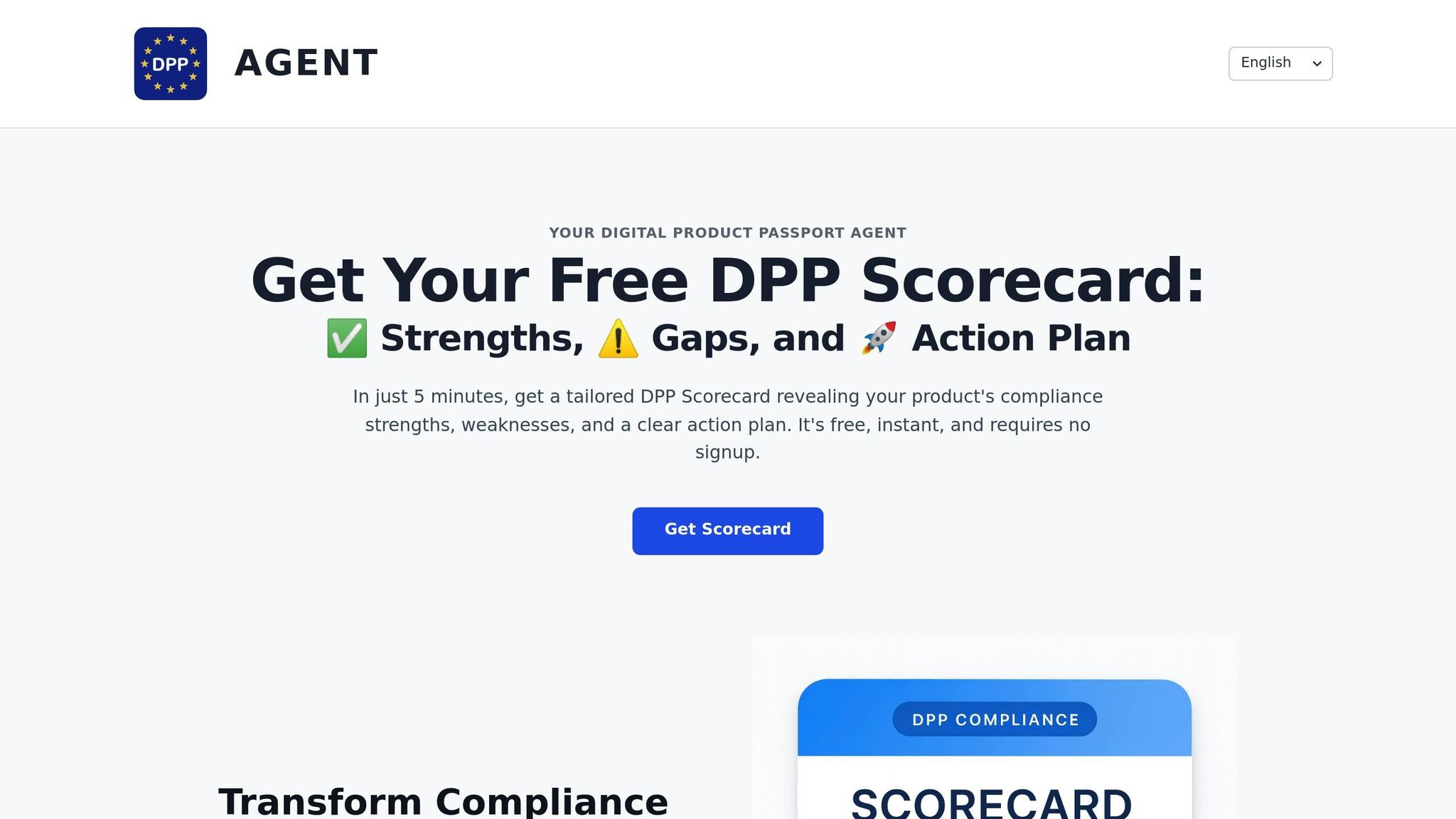
Once you’ve familiarised yourself with the requirements, it’s time to put your preparation to the test – and dppagent.com can help.
This platform is designed for Swedish businesses to simulate and evaluate their readiness for the legislation. By using dppagent.com, you can assess how well your product data management aligns with regulatory standards. More importantly, it helps identify any critical gaps that need attention, making the path to compliance smoother and more efficient.
Though the tool doesn’t walk you through every step, it’s a valuable resource for pinpointing areas that require improvement. This kind of proactive testing can make your transition to DPP compliance far easier.
sbb-itb-256b3ff
Managing DPPs at Scale with Blippa‘s No-Code Platform

As new DPP legislation approaches, managing digital product passports (DPPs) at scale has become a pressing need for businesses. Blippa’s no-code platform simplifies this process, making compliance achievable without requiring technical expertise. Instead of investing time and resources into building custom solutions, companies can focus on collecting the necessary data while Blippa takes care of the technical infrastructure.
Integration and smart Localization Features
Blippa’s platform is tailored to meet regulatory requirements, offering tools that make compliance straightforward. The no-code editor empowers teams to create DPPs without any coding skills. Additionally, the platform includes a dynamic QR code generator that not only creates updateable codes but also tracks user engagement. For businesses in Sweden, product information is automatically formatted with Swedish standards, such as kronor (SEK), metric measurements, and Celsius for temperatures.
Blippa also ensures global compatibility by adhering to standards like the GS1 Digital Link URI, which uses GTIN + Serial for unique product identification. This standard is crucial for industries such as batteries, textiles, tyres, and electronics. By aligning with both Swedish and EU regulations, the platform eliminates the need for extra customisation. Features like built-in hosting and real-time staging environments streamline operations by removing the need for separate server management, while the label production tool integrates seamlessly with packaging processes, bridging the gap between digital and physical implementation.
With localisation fully addressed, the next key element is fostering effective collaboration within teams.
Team Collaboration and Customization Options
Handling DPPs across extensive product lines demands teamwork. Blippa facilitates this with user and role management systems, ensuring that only authorised team members can access or modify specific parts of the DPPs. The platform’s version control feature tracks all changes, allowing teams to revert to earlier versions when regulations change or product details are updated. Notifications via email and SMS keep everyone informed about critical updates.
To maintain brand identity, Blippa supports custom domains, enabling Swedish businesses to use .se domains or their corporate URLs. This reassures customers about the authenticity of the digital passport information. Sharing and distribution tools further simplify the process, ensuring that stakeholders have secure access to the relevant DPP data and enhancing transparency throughout the supply chain.
For businesses looking to fast-track compliance, Blippa’s pre-built templates offer a practical solution.
Using Pre-Built Templates for Faster Compliance
Creating DPPs from scratch can feel daunting, especially when deadlines loom. Blippa’s pre-built templates ease this burden by offering industry-specific frameworks that align with common regulatory requirements. These templates cater to sectors like batteries, fashion, and electronics, incorporating the most frequently required data fields for compliance with Swedish and EU regulations. This eliminates much of the guesswork about what information to include.
Blippa also integrates with existing business systems, such as inventory management and ERP platforms, allowing automatic data population into DPPs. This reduces manual data entry, ensuring a smoother workflow. By connecting your current processes directly to DPP creation, the platform ensures that every stakeholder – whether a consumer, regulator, or business partner – receives the precise information they need, simplifying compliance while improving overall usability.
Common Problems and Solutions for DPP Preparation
Swedish companies often encounter hurdles when adapting their legacy systems to meet the detailed tracking and documentation requirements of Digital Product Passports (DPPs). Tackling these challenges head-on can save both time and resources during preparation.
Data Management and Tracking Problems
One of the biggest obstacles is dealing with disorganised or incomplete data. Many companies struggle to create thorough DPPs because their supplier information is fragmented. This issue is especially common when working with suppliers outside the EU, who may not have the necessary data on the environmental and social impact of their products.
Another common issue stems from outdated systems. Businesses relying on paper-based records or older digital platforms often find themselves ill-equipped to meet the demands of DPP legislation. These legacy systems can’t provide the dynamic, real-time data access required for compliance.
For smaller Swedish businesses, the technical demands of implementing DPP systems can feel overwhelming. Tasks like generating QR codes, managing data permissions, and aligning with GS1 Digital Link standards require a level of technical skill that many companies lack in-house.
Addressing these challenges early is key to a smoother transition to DPP compliance.
Practical Steps to Get DPP Ready
To tackle these challenges effectively, consider the following steps to prepare for DPP compliance:
- Conduct a data audit: Use tools like dppagent.com to identify gaps in your current data collection. This proactive approach helps you address weak points before the legislation takes effect.
- Digitise and centralise records: Start by converting paper-based records and unifying data from various systems into a single, centralised format. Prioritise products subject to the earliest DPP requirements, such as batteries and textiles, instead of trying to manage your entire product range all at once.
- Standardise supplier data collection: Work with your suppliers to create clear, standardised forms outlining the exact information you need for compliance. Offering training sessions can help suppliers understand the requirements and how to meet them.
- Train your staff: Make sure your team knows how to collect, verify, and maintain the necessary data. Platforms like Blippa can simplify the process of creating and managing DPPs, even for those without technical expertise.
- Test your process regularly: Run sample data through your system to uncover and resolve workflow issues before they become major problems.
- Plan for ongoing updates: Treat DPP compliance as an evolving process. Product details, supplier practices, and regulations will change over time. Establish a schedule for regular reviews to keep your DPPs accurate and up to date.
Conclusion
The Digital Product Passport (DPP) legislation is no longer just a concept – it’s a reality. With initial compliance requirements kicking off in Q4 2025, Swedish businesses face a tight timeline to align with these new regulations [5,6].
This urgency makes early preparation essential. Getting a head start means more than just meeting deadlines – it’s an opportunity to fine-tune processes, clean up data, and build trust with consumers. Businesses that act now can position themselves ahead of the curve, while those that delay risk falling behind and missing the broader benefits of aligning with sustainability goals [7][8].
Platforms like dppagent.com and Blippa’s no-code solution offer practical ways to navigate these changes. dppagent.com helps identify data gaps, while Blippa’s platform simplifies compliance by addressing challenges like fragmented data and manual workflows. With features like secure access controls, robust data management, and seamless integration with enterprise systems such as Salsify or Inriver, these tools make adapting to the new regulations much more manageable.
The shift toward mandatory climate transparency is happening fast. By 2030, when DPP requirements are expected to apply across all product categories, companies that have already adapted will be well-placed with reliable systems for managing and digitising supply chain data.
The DPP legislation will touch every business. The question is – will you be ready? Start preparing today and position yourself to lead in compliance and sustainability as Sweden moves toward a greener future.
FAQs
How can companies collect the right data to comply with DPP legislation?
Businesses can gear up for DPP compliance by developing strong data management practices that adhere to local laws and standards. Begin by identifying exactly what kinds of personal data your company handles, making sure that all data collection activities are transparent and rely on user consent. It’s also a good idea to regularly audit your data to ensure it remains accurate and relevant.
Leverage tools specifically designed to assess and validate your data collection processes in light of the upcoming DPP requirements. Embracing a privacy-by-design mindset and offering employees training on data protection not only enhances compliance but also fosters trust among your customers.
What challenges could companies face when adopting DPP systems, and how can they address them?
Companies might face hurdles such as navigating new legislation, integrating digital systems, and ensuring employees are equipped to use these tools effectively. While these changes can seem daunting, a well-planned approach can make the process much more manageable.
To tackle these challenges, businesses should prioritise staff training, seek advice from experts familiar with DPP requirements, and roll out the system in phases to reduce disruptions. Keeping up-to-date with legislative changes and encouraging open communication within the organisation are also crucial for a smooth transition.
How can Blippa help businesses to prepare for upcoming Digital Product Passport legislation?
Blippa makes it easier to navigate the upcoming Digital Product Passport (DPP) regulations by offering tools that help you assess and manage compliance efficiently. With Blippa, businesses can ensure their product data aligns with the necessary standards, minimising the risk of regulatory complications.
The platform lets you upload, review, and validate your product data in a structured format. This approach not only ensures compliance with the new rules but also saves time, reduces manual mistakes, and keeps you prepared for changes affecting every European domestic market.
With Blippa, you can concentrate on growing your business, knowing your products meet the latest regulatory requirements.