Published 7 August 2025 · Updated 20 October 2026
Digital Product Passports for Fashion and Textiles: A Sustainability Game‑Changer
The fashion industry faces growing pressure to prove sustainability and ethical practices. Consumers want to know where garments come from, how they are made and how to care for them. Digital product passports offer a solution. Blippa’s platform provides a tailored approach for fashion brands to create and manage DPPs.
Traceability and Transparency
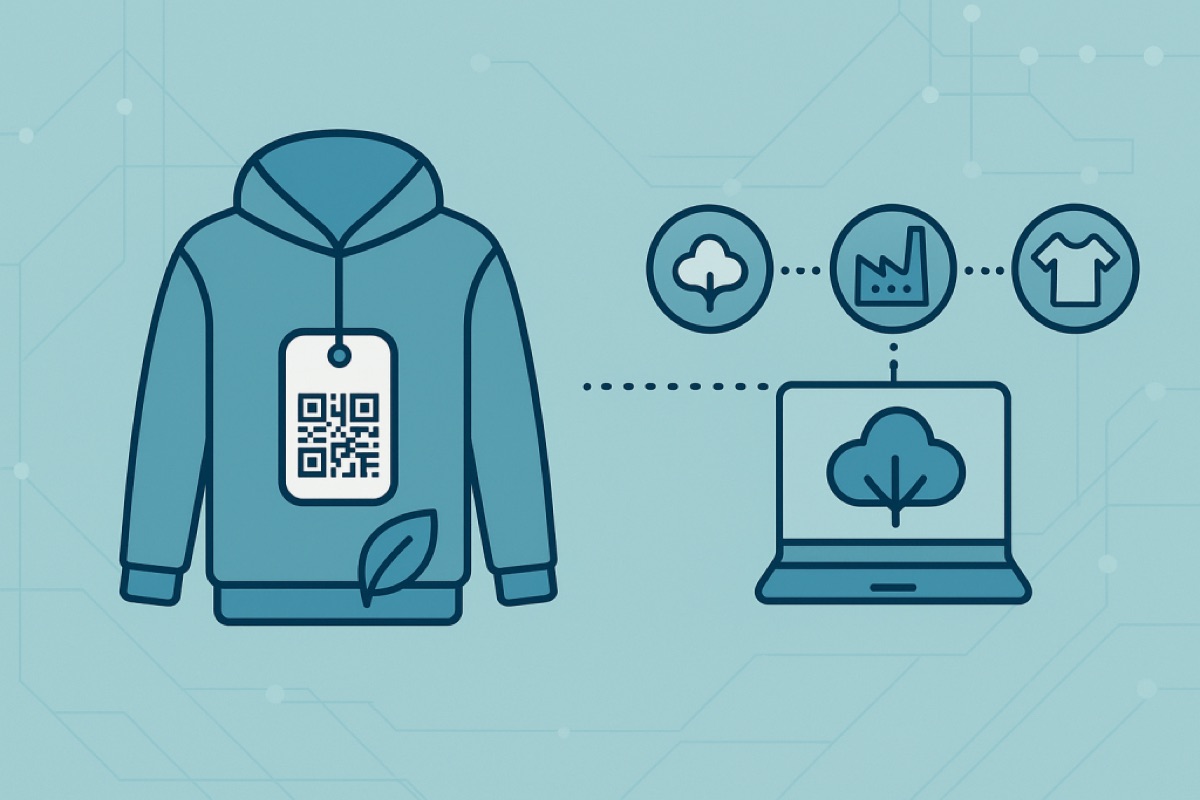
Fashion supply chains are complex, often spanning multiple countries and suppliers. Blippa’s object model lets brands define each garment as a unique object, attach data about raw materials, dye processes, labor conditions and certifications, and update this information in real‑time. Consumers can scan a QR code on a garment tag to see its entire lifecycle, from cotton farm to finished product.
Sustainability Metrics
Brands can include metrics such as carbon footprint, water usage and recycling instructions. These data points align with sustainability initiatives like the Global Organic Textile Standard (GOTS) or Fair Wear Foundation certifications. Blippa’s platform makes it simple to add these fields without coding.
Repair, Resell and Recycle
Digital product passports can also enable circularity. When a garment is returned, resold or recycled, the passport can be updated to show repair history or new ownership. This supports resale platforms and helps brands track garments after the initial sale.
Brand Differentiation
By adopting DPPs early, fashion companies demonstrate leadership in transparency. Brands that provide detailed product information can stand out. Blippa’s no‑code tools make it feasible for brands of all sizes to implement passports without large IT investments.
What the law requires today
There is no legal requirement for a product passport for clothing and textiles yet. The Commission's ecodesign working plan (April 2025) prioritises textiles, mainly apparel, and gives 2027 as the indicative year for the delegated act. Requirements normally apply no earlier than 18 months after the act enters into force. The Textile Labelling Regulation (EU) No 1007/2011 on fibre composition already applies, and since 19 July 2026 ESPR bans large companies from destroying unsold apparel and footwear.
Conclusion
Digital product passports can transform the fashion industry by offering verifiable supply‑chain transparency and supporting circular business models. Blippa’s platform provides the tools fashion brands need to implement DPPs quickly, build trust with consumers and prepare for the requirements when they come.